
Cervical erosion

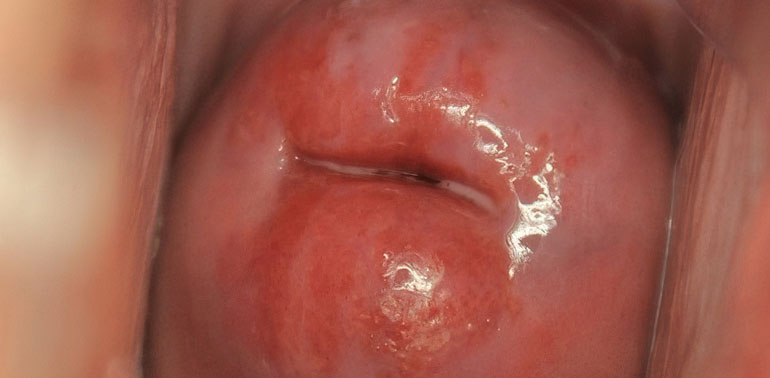
Cervical erosion
A gynecological condition marked by damage to the cervical mucosa — timely diagnosis and treatment are important.
Cervical erosion is a gynecological condition characterized by damage to or changes in the cervical mucosa. Although it is not always dangerous, if neglected it can lead to chronic inflammation and, in some cases, malignant cell changes. For this reason, timely diagnosis and effective treatment are important.
Symptoms
- Spotting or bleeding after intercourse
- Abnormal vaginal discharge (sometimes bloody or with an odor)
- Discomfort or pain in the pelvic area
- Often no symptoms — detected incidentally during an examination
When to see a doctor
Treatment is considered necessary if the erosion causes symptoms (post-coital bleeding, discharge, pain) or if cell changes (dysplasia) are found during examination. HPV infection also increases the importance of treatment.
Diagnostics
The diagnosis is made through a gynecological examination, a Pap smear (cytology), colposcopy and, when necessary, a biopsy. These methods allow early detection of cell changes and HPV-related risks.
Treatment
The treatment method depends on the size of the erosion and whether cell changes are present. In early cases, medical treatment (anti-inflammatory, antibacterial or antiviral) may be used. To remove the affected tissue, cryoablation (freezing), laser coagulation or radiowave therapy is used — these methods are painless, minimally invasive and heal without scarring. If dysplasia or oncological risk accompanies the erosion, surgical intervention (conization) is recommended. Regular Pap smear and colposcopy follow-up after treatment is important to prevent recurrence.
Frequently asked questions
Does cervical erosion heal on its own?
Some small erosions may heal without treatment, but cases that cause symptoms or are accompanied by cell changes require medical supervision and treatment.
Can erosion turn into cancer?
Erosion itself is not cancer, but if left unmonitored for a long time and combined with HPV, it can lead to dysplasia and, rarely, malignant changes. Regular check-ups are therefore essential.
