
Inflammatory and Infectious Gynecological Diseases

Inflammatory and Infectious Gynecological Diseases
Inflammatory and infectious diseases that often begin with easily overlooked symptoms can lead to serious complications if not treated in time.
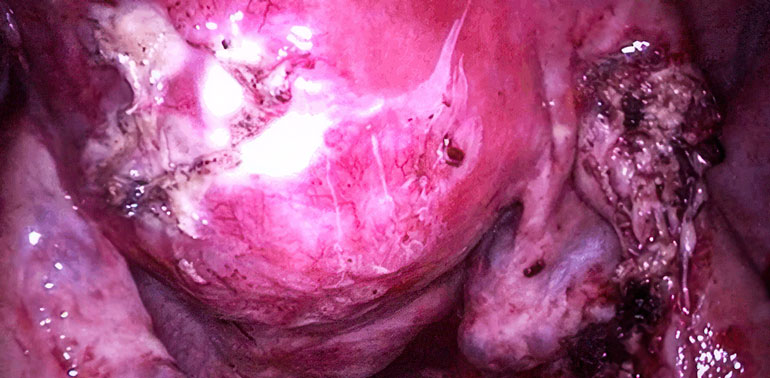
Inflammatory and infectious diseases that threaten women's health often begin with symptoms that can be easily overlooked. However, if these diseases are not diagnosed and treated in time, they can lead to infertility, chronic pain and even oncogynecological complications. The main infectious and inflammatory diseases include vaginitis and vaginosis (bacterial vaginosis, candidiasis, trichomoniasis), cervicitis (inflammation of the cervix), endometritis (inflammation of the inner lining of the uterus, which can be seen after abortion and childbirth), adnexitis or salpingo-oophoritis (inflammation of the ovaries and tubes) and pelvic inflammatory disease (a serious condition caused by the spread of infection to the upper genital organs).
Symptoms
- Dull or cramping pain in the pelvic area
- Abnormal vaginal discharge (change in color, odor and amount)
- Pain during or after sexual intercourse
- Bleeding outside the menstrual period
- Fever and general weakness
- Bloody discharge after sexual intercourse
When to see a doctor
You should consult a doctor when symptoms such as pelvic pain, abnormal discharge, pain during intercourse, irregular bleeding, fever or general weakness appear. The sooner these diseases are detected and treated, the fewer complications they cause; fever together with severe pelvic pain may require urgent attention.
Diagnostics
Diagnosis is carried out with a gynecological examination and palpation, vaginal and cervical smears (microscopy), ultrasound examination (US), and blood and urine tests. PCR tests are used for accurate detection of infection at the molecular level. These methods make it possible to identify the type of inflammation and the causative microorganism.
Treatment
Treatment is carried out with targeted antibiotic or antifungal medications depending on the type of inflammation and the causative microorganism. Complex treatment combines local (suppository, cream) and systemic (tablet, injection) approaches. Probiotics, vitamins and protective hygiene measures may be recommended for immune support and restoration of flora balance. In cases of abscess or suppuration, surgical intervention may rarely be required. For prevention, protection from sexually transmitted infections, adherence to hygiene rules and regular gynecological examinations (at least once a year) are important.
Frequently asked questions
Can inflammatory gynecological diseases cause infertility?
Yes. Inflammatory and infectious diseases that are not treated in time, especially adnexitis and pelvic inflammatory disease involving the ovaries and tubes, can lead to infertility, chronic pain and other serious complications. For this reason early consultation is important.
How can these diseases be prevented?
For prevention, protection from sexually transmitted infections, adherence to hygiene rules, choosing the right hygiene products during menstruation, a controlled recovery period after abortion and childbirth, and regular gynecological examinations at least once a year are recommended.
