
Uterine and Bladder Prolapse

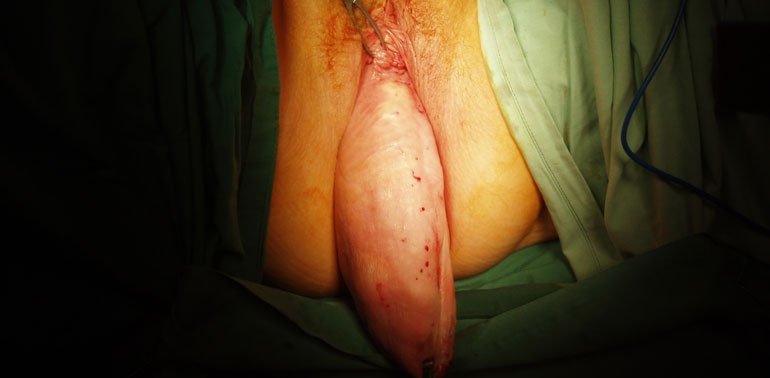
Uterine and Bladder Prolapse
A common problem caused by organs losing their normal position (prolapse) — it is managed with proper treatment and early intervention.
Uterine and bladder prolapse is one of the problems that is common in women but for which a doctor is often not consulted. This condition occurs as a result of the organs inside the body losing their normal position, can significantly impair a woman's quality of life and sometimes requires serious medical intervention. The types of prolapse include uterine prolapse (the uterus descending downward), bladder prolapse (the bladder sagging toward the vagina), rectal prolapse and combined prolapse (prolapse of the uterus and bladder at the same time).
Symptoms
- A feeling of downward pressure, fullness or heaviness in the vagina or pelvis
- A sensation of swelling in the vagina or of an organ bulging outward
- Urinary incontinence or difficulty retaining urine
- Difficulty with defecation (bowel emptying)
- Pain or discomfort during sexual intercourse
- Worsening of symptoms after standing for a long time or at the end of the day
When to see a doctor
You should consult a doctor when symptoms such as downward pressure, fullness or a sensation of swelling in the vagina, urinary incontinence or difficulty with defecation make daily life difficult. Uterine and bladder prolapse can be easily managed with proper treatment and early intervention, whereas delayed treatment can cause the problem to worsen even further.
Diagnostics
The diagnosis is mainly made during a gynecological examination, in which the doctor assesses the position of the pelvic organs and the degree of prolapse. When necessary, ultrasound examination and additional tests may be used to assess bladder function and the condition of the other organs. This makes it possible to choose the correct treatment plan.
Treatment
Treatment depends on the degree of the problem and the woman's general state of health. Kegel exercises, which strengthen the pelvic muscles, are very useful both for preventing prolapse and, in mild cases, for improving the position of the organs by increasing muscle tone. In postmenopausal women, estrogen therapy can help strengthen the muscles and ligaments. When prolapse is serious, surgical intervention may be required — operations to return the uterus to its place or to correct the bladder. Laparoscopic and robotic operations are minimally invasive and the recovery process is faster.
Frequently asked questions
What is the main cause of uterine and bladder prolapse?
One of the main causes is childbirth — especially numerous and difficult births can damage the pelvic muscles. Other causes include aging and the decrease in estrogen after menopause, obesity, genetic predisposition, and the pressure created during chronic cough and constipation.
Can Kegel exercises prevent prolapse?
Yes, Kegel exercises help preserve the position of the uterus and bladder by strengthening the pelvic muscles and are one of the most effective methods for preventing prolapse. In mild cases, regular performance can also help improve symptoms.
