
Benign and Malignant Ovarian Tumors

Benign and Malignant Ovarian Tumors
Ovarian tumors can be both benign and malignant; early detection makes treatment possible and can be life-saving.
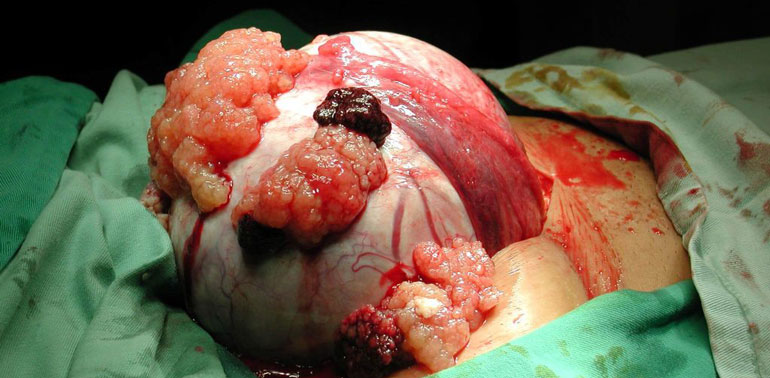
The ovaries are one of the most important parts of the female reproductive system, and their health is of great importance for women's general health. Ovarian tumors can be both benign and malignant and occur in various age groups. Benign tumors (functional cysts, endometrial cysts, dermoid cysts, serous and mucinous cysts) are generally harmless and often resolve on their own, although some can grow. Malignant tumors (ovarian cancer), on the other hand, often develop without giving symptoms, which makes early detection difficult. With early diagnosis and proper treatment these problems can be managed.
Symptoms
- Persistent pain, pressure or a feeling of heaviness in the abdomen or pelvic area
- Bloating or an increase in abdominal size
- Feeling full quickly, loss of appetite or digestive problems
- Disruption of the menstrual cycle or irregular bleeding
- A frequent need to urinate
- Often the absence of any symptoms in the early stage
When to see a doctor
You should consult a doctor if symptoms such as persistent abdominal pain, bloating, an increase in size, feeling full quickly or pelvic pressure continue. Because ovarian cancer often develops silently, women — especially those with a family risk — should monitor their own health and undergo examination in time when a tumor is suspected; early detection can be life-saving.
Diagnostics
Diagnosis is carried out with a gynecological examination, transvaginal ultrasound (assessment of the size, structure and character of the tumor), imaging methods such as CT or MRI when necessary, and blood tests (including assessment of tumor markers). When malignancy is suspected, a definitive diagnosis is made by histological examination of tissue taken during surgery. Risk factors include age (usually over 50), mutations in the BRCA1 and BRCA2 genes and a family history of cancer.
Treatment
Treatment depends on whether the tumor is benign or malignant, as well as its size and stage. Small and asymptomatic benign tumors are regularly monitored; when the tumor grows or symptoms such as pain or bleeding arise, it may be removed surgically, and in some cases hormone treatment may be used. In ovarian cancer the main method is surgical intervention — removal of the tumor and, when necessary, surrounding tissues. After surgery, chemotherapy and in some cases radiotherapy are applied to prevent the spread of cancer cells. Targeted therapy and immunotherapy are more modern approaches that target cancer cells.
Frequently asked questions
Is every ovarian tumor cancer?
No. Most ovarian tumors are benign and often harmless; functional cysts usually resolve on their own. Nevertheless, a doctor's examination and monitoring are important to determine whether a tumor is benign or malignant.
Why is ovarian cancer detected late?
Ovarian cancer often develops in the early stage without giving any symptoms, which is why it is detected late. Because detection in the early stage can be life-saving, it is recommended to consult a doctor in time in case of persistent abdominal bloating, pain or other symptoms.
