
Endometrial Hyperplasia

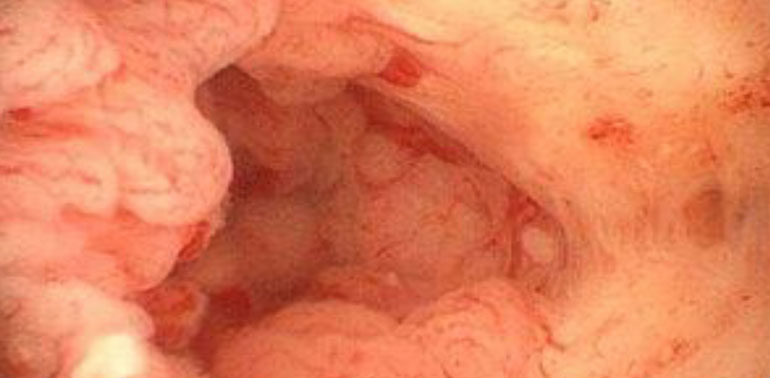
Endometrial Hyperplasia
A pathological condition caused by excessive proliferation of cells in the endometrium — in some cases an initial stage of uterine body cancer.
Endometrial hyperplasia is a pathological condition caused by the excessive proliferation of cells in the inner layer of the uterus (the endometrium). Its main cause is a high level of the hormone estrogen but insufficient progesterone. In some cases, this condition is considered an initial stage of uterine body cancer. Endometrial hyperplasia is histologically divided into three main types: simple hyperplasia (without atypia) — cells proliferate but the structure remains normal, and the risk of progression to cancer is very low (approximately 1%); complex hyperplasia (without atypia) — cells are more densely arranged and some structural changes are observed, with a somewhat higher risk (approximately 3-5%); simple hyperplasia with atypia — a change (atypia) occurs in the structure of the cells, which increases the likelihood of progression to cancer, with a risk of approximately 8-10%.
Symptoms
- Long and irregular menstruations
- Bleeding between menstruations and after menopause
- Infertility or difficulty getting pregnant
- Unusual and heavy vaginal discharge
When to see a doctor
If unusual bleeding or menstrual irregularities are observed, especially bleeding after menopause, timely investigation of these signals is important. Early consultation plays a major role in preventing cancer.
Diagnostics
The diagnosis is clarified by ultrasound (assessment of endometrial thickness), hysteroscopic biopsy and histological examination of the tissue sample. These methods make it possible to determine the type of hyperplasia and whether atypia is present, that is, the risk of progression to cancer.
Treatment
Treatment depends on the type of hyperplasia and whether atypia is present. In hormonal therapy, progesterone-containing drugs regulate the thickness of the endometrium and bring cell proliferation under control. Hysteroscopic biopsy is performed to clarify the diagnosis and monitor treatment. In cases of hyperplasia with atypia or recurrent hyperplasia, especially in patients who have completed family planning, hysterectomy (removal of the uterus) may be applied. For prevention and follow-up, maintaining hormonal balance, regular gynecological examinations (ultrasound, Pap smear), healthy nutrition and weight control, and treatment of polycystic ovary syndrome and endocrine disorders are recommended.
Frequently asked questions
Does endometrial hyperplasia always turn into cancer?
No. In hyperplasia without atypia the risk of progression to cancer is very low. The risk is mainly related to the presence or absence of atypia; therefore it is important to determine the exact type by histological examination and to treat it in time.
What is the main cause of hyperplasia?
The main cause is a hormonal imbalance in which estrogen is high and progesterone is insufficient. Obesity, polycystic ovary syndrome and certain drugs can also increase this risk.
