
Urinary Incontinence in Women

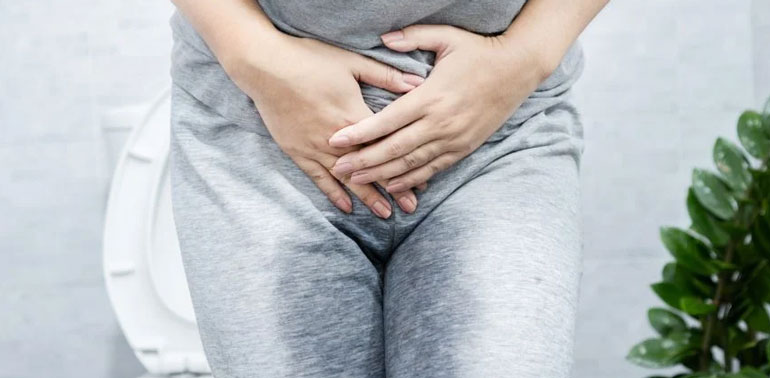
Urinary Incontinence in Women
A problem caused by a disruption of the normal function of the bladder that can impair quality of life — early diagnosis and proper treatment are important.
Urinary incontinence is a problem that is more common in women and can significantly impair quality of life. This condition arises as a result of a disruption of the normal function of the bladder and can affect various age groups. The problem puts women in a difficult situation both physically and emotionally, and therefore early diagnosis and proper treatment are of great importance. Urinary incontinence is divided into several types: stress incontinence (during coughing, sneezing, laughing or heavy lifting), urge incontinence (a sudden strong need to urinate — "overactive bladder"), mixed incontinence and overflow incontinence. Because the treatment of each type is different, making the correct diagnosis is important.
Symptoms
- Leakage of urine when coughing, sneezing, laughing or lifting a heavy object (stress type)
- A sudden strong urge to urinate with leakage before reaching the toilet (urge type)
- Leakage during both physical movement and sudden urges (mixed type)
- Urine dripping by itself when the bladder is full (overflow type)
- A frequent need to urinate during the day or at night
When to see a doctor
Although urinary incontinence may seem embarrassing, it can be successfully treated with the possibilities of modern medicine. You should consult a specialist when the problem makes daily life, work or social activity difficult, recurs frequently or causes distress. Instead of hiding this problem, consulting a doctor is extremely important in terms of restoring quality of life.
Diagnostics
Diagnosis begins with a detailed history, a gynecological examination and assessment of the symptoms in order to determine the type of urinary incontinence. When necessary, urine analysis (to rule out infection), an ultrasound examination assessing bladder filling and emptying, a bladder diary and urodynamic tests may be used. A correct diagnosis is the basis for choosing the appropriate treatment method.
Treatment
Treatment depends on the type and cause of urinary incontinence. Kegel exercises, which strengthen the pelvic floor muscles, are very effective especially for stress incontinence and, when performed correctly, provide long-term improvement. Lifestyle changes (losing weight, treating constipation, bladder training, reducing caffeine and alcohol consumption) can be helpful. In the urge type, medications that reduce the hyperactivity of the bladder may be used, and after menopause local estrogen treatment may be beneficial. In the stress type, pessary devices that support the bladder, as well as physiotherapy and biofeedback, are used. In serious cases and when other treatments do not give results, the bladder or urethra can be supported by surgical methods (for example, the "sling" operation).
Frequently asked questions
Is urinary incontinence an unavoidable part of aging?
No. Although aging is a risk factor, urinary incontinence is not a normal or inevitable condition. In many cases significant improvement can be achieved with Kegel exercises, lifestyle changes and other treatments.
Do Kegel exercises help?
Yes, Kegel exercises that strengthen the pelvic floor muscles are very effective, especially for stress incontinence. When performed daily and correctly, they can provide long-term improvement.
