
Gynecological operations for urinary incontinence and genital organ prolapse

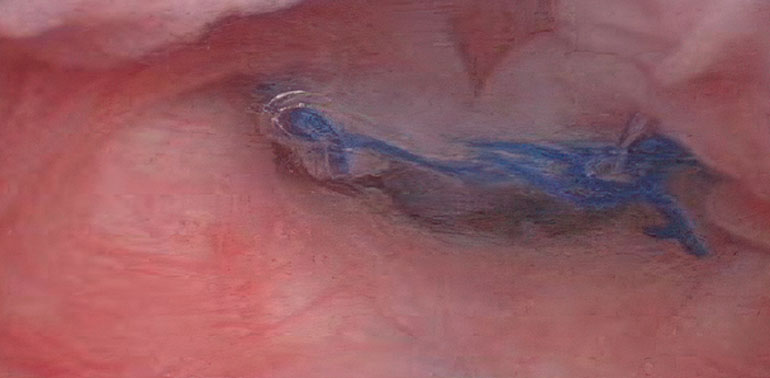
Gynecological operations for urinary incontinence and genital organ prolapse
Surgical treatment of urinary incontinence and genital organ prolapse — the minimally invasive TOT and TVT operations.
Urinary incontinence and prolapse of the genital organs are frequently encountered problems in women that significantly reduce quality of life. These conditions are usually related to childbirths, aging, hormonal changes and weakening of the connective tissue. Surgical intervention – especially the TOT (Transobturator Tape) and TVT (Tension-free Vaginal Tape) operations – provides an effective and long-term solution to these problems. These operations are suitable for women who experience urinary incontinence when laughing, coughing or during physical activity, those who have urinary incontinence together with prolapse of the genital organs, patients who do not respond to conservative treatment, and those who develop problems with urinary retention after childbirth.
How it is performed
The aim of both operations is to prevent urinary incontinence by supporting the neck of the bladder and the urinary canal (the urethra). In the TVT (Tension-Free Vaginal Tape) method, a special tape is placed under the urinary canal, ensuring stabilization of the urethra, and the tape is drawn toward the abdominal cavity. In the TOT (Transobturator Tape) method, the tape is placed under the urinary canal and brought out around the pubic bone. Both are minimally invasive procedures: they are carried out with small vaginal incisions or minimal openings in the skin and take approximately 20–30 minutes. They can sometimes also be applied together with other gynecological operations related to prolapse.
Preparation
The operation can be performed under local, spinal or general anesthesia. Beforehand, a gynecological examination, urine tests and, when necessary, urodynamic tests are performed. The patient should inform the doctor about any medications used, especially blood thinners, and follow the fasting rules depending on the type of anesthesia.
Recovery
It is often possible to be discharged home the same day or the next day, and the majority of patients are able to return to a normal way of life within a short time. Mild pain may occur during the first days, managed with painkillers. It is recommended to avoid heavy physical work for 2–4 weeks. Sexual life can be resumed after approximately a 4-week interval. In most cases urinary incontinence is completely eliminated and long-term results are observed with a high rate of success.
Frequently asked questions
Are the results of TOT and TVT operations permanent?
These methods have a high success rate in treating urinary incontinence and in most cases give long-term results. However, factors such as age, weight gain and new childbirths can affect the result over time, so regular medical follow-up is recommended.
When can I return to work after the operation?
It is usually possible to return to office-type, light work within a few days, but it is recommended to avoid activities requiring heavy physical work for 2–4 weeks. The exact period is determined by the doctor according to the individual situation.
These operations do not create any serious change from an aesthetic point of view, and damage to the vaginal tissues is minimal. The time frames given are for general guidance; the specific plan is determined by the doctor.
