
Adenomyosis

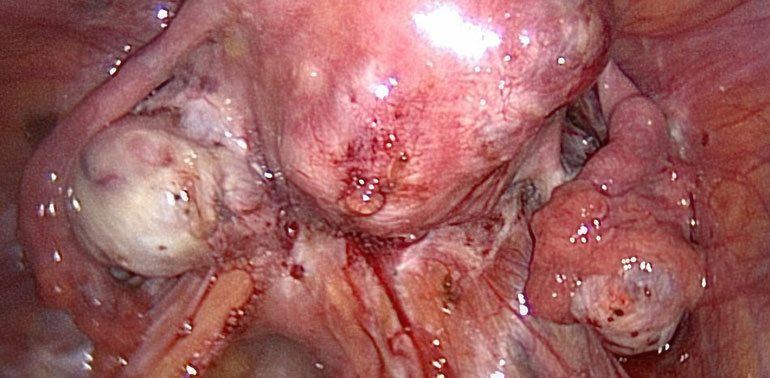
Adenomyosis
A disease characterized by the spread of endometrial tissue toward the muscle layer of the uterus, causing pain and swelling with every menstrual cycle.
Adenomyosis is a gynecological disease characterized by the spread of the endometrial tissue that forms the inner layer of the uterus toward the muscle layer of the uterus (the myometrium). This condition causes swelling, inflammation and pain in the uterine muscle with every menstrual cycle. Adenomyosis is more common in women over 35 years of age, in those who suffer from menstrual disorders for a long time, and in women who have had surgeries on the uterus (cesarean section, abortion, etc.); it can also be observed together with uterine fibroid and endometriosis. Although its symptoms resemble endometriosis, adenomyosis is a separate disease.
Symptoms
- Heavy and prolonged menstrual bleeding
- Chronic pain in the lower abdominal area
- Pain during intercourse (dyspareunia)
- Swelling and a feeling of pressure in the abdominal area during menstruation
- Infertility or frequent miscarriages
When to see a doctor
If the pain and bleeding affect the woman's daily life, if there is difficulty getting pregnant, or if iron-deficiency anemia has developed, treatment is mandatory and you should consult a doctor.
Diagnostics
The diagnosis is made by gynecological examination, ultrasound and, when necessary, magnetic resonance imaging (MRI); MRI shows the changes in the uterine wall more precisely. Adenomyosis is distinguished from concomitant diseases such as endometriosis and fibroid.
Treatment
Treatment is chosen according to the severity of the symptoms and the woman's pregnancy plans. In drug treatment, hormonal drugs (progesterone, oral contraceptives) regulate menstruation and reduce pain; non-steroidal anti-inflammatory drugs (NSAIDs) are used to keep bleeding under control. Medicated intrauterine systems (IUS) reduce both bleeding and pain. As surgical intervention, removal of adenomyosis foci may be applied for those who want to preserve the uterus, while hysterectomy (complete removal of the uterus) may be recommended in very severe cases and for women who have completed family planning. For prevention and follow-up, maintaining hormonal balance, timely gynecological examinations, investigating menstrual bleeding and pain without delay, and early treatment of concomitant diseases such as endometriosis or fibroid are important.
Frequently asked questions
Can you get pregnant with adenomyosis?
Adenomyosis can cause infertility or miscarriages in some women. However, with proper treatment and under a doctor's supervision, it is possible to become pregnant.
Is adenomyosis the same as endometriosis?
No. Although the symptoms are similar, adenomyosis is a separate disease — endometrial tissue spreads into the muscle layer of the uterus itself. They can sometimes be observed together.
