
Cervical Dysplasia

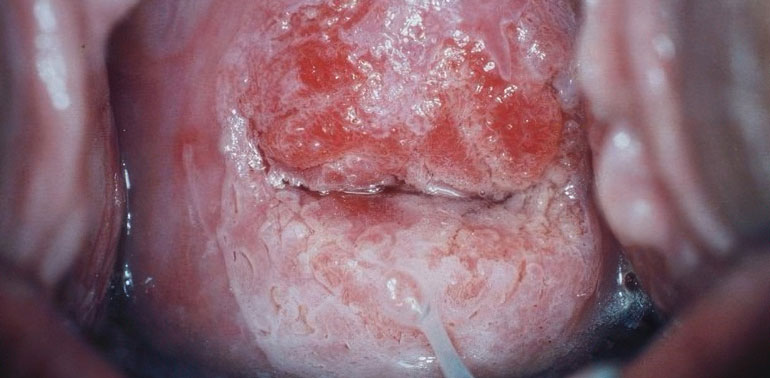
Cervical Dysplasia
A condition characterized by precancerous changes in cervical epithelial cells, which often proceeds without symptoms.
Cervical dysplasia is a condition characterized by the appearance of abnormal changes in cervical epithelial cells. These changes are precancerous, that is, stages with the potential to develop into cancer. Dysplasia can proceed without symptoms for a long time, but if not detected in time it can lead to cervical cancer. CIN (cervical intraepithelial neoplasia) refers to squamous epithelial lesions that are pre-cancerous but not yet cancer. CIN is not cancer; it is a precancerous condition of the cervix, and a CIN diagnosis does not mean cancer will necessarily develop — in fact it means early diagnosis. The severity of the lesions is assessed by the proportion of affected epithelium above the basement membrane: the mildest lesion is CIN 1 and the most severe is CIN 3. CIN1 means abnormal cells in the lowest 1/3 of the epithelium adjacent to the basal layer (mild dysplasia), CIN2 means dysplastic cells up to 2/3 of the epithelium (moderate-to-severe), and CIN3 means abnormal cells in nearly all epithelial layers (severe dysplasia). The main cause of these changes is HPV — human papillomavirus; HPV 16 and 18 are the most common types in dysplasia and cervical cancer.
Symptoms
- Often no symptoms — detected incidentally during a Pap smear
- Spotting or bleeding after intercourse may occur
- Bleeding between menstruations
- Unusual vaginal discharge
When to see a doctor
CIN1 can often be monitored without treatment, but if the changes persist for 2 years, treatment is required. CIN2 and CIN3 must be treated. Therefore, you should see a doctor if a Pap smear or HPV test shows changes, or if you have recurrent bleeding after intercourse.
Diagnostics
The diagnosis is made through a Pap smear (cytology), HPV testing, colposcopy and, when necessary, a targeted biopsy. These methods make it possible to determine the grade of the cell changes (CIN1–CIN3) and the HPV-related risk.
Treatment
Treatment depends on the grade of dysplasia. Observation and follow-up may be used for CIN I — in young women with a strong immune system, mild dysplasia sometimes heals without treatment, in which case follow-up with a Pap smear and colposcopy every 6 months is important. In early stages, medical treatment with antiviral and immune-boosting preparations against HPV can be effective. To remove the affected tissue, laser ablation and radiowave therapy (bloodless, rapid healing), the Loop Electrocautery Excision Procedure (LEEP — cutting abnormal tissue with an electric loop), or cone biopsy/conization (removing a cone-shaped part of the cervix when changes are widespread; both diagnostic and therapeutic) are used. After treatment, continuous gynecological follow-up, Pap smear, HPV tests and colposcopic evaluation are essential to prevent recurrence.
Frequently asked questions
If I am diagnosed with CIN, will I definitely get cancer?
No. CIN is not cancer but a precancerous change, and it means early diagnosis. CIN1 in particular often heals on its own; with regular follow-up and treatment when needed, progression to cancer can be prevented.
What is the main cause of dysplasia?
The main cause is HPV — human papillomavirus, especially types 16 and 18. For this reason, regular Pap smears, HPV testing and, when appropriate, HPV vaccination are important.
