
Uterine Bleeding

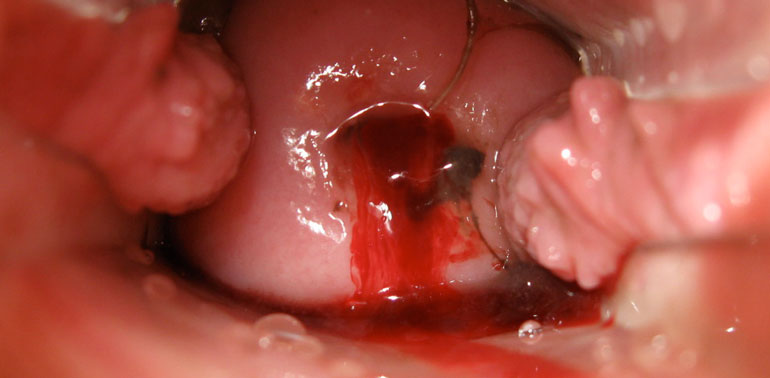
Uterine Bleeding
Bleeding that occurs outside the normal menstrual period — its causes range from hormonal imbalance to serious gynecological diseases.
Uterine bleeding is bleeding in women that occurs outside the normal menstrual period. This bleeding can arise from various causes, ranging from hormonal disorders to serious gynecological diseases. It can occur at any age, but is observed more often during adolescence, the reproductive period, and the perimenopausal period. Types of abnormal uterine bleeding include menorrhagia (prolonged and heavy menstruation), metrorrhagia (bleeding between periods), polymenorrhea (frequent menstruation less than 21 days apart), oligomenorrhea (menstruation occurring more than 35 days apart) and postmenopausal bleeding (bleeding after menopause, which must always be investigated).
Symptoms
- Menstruation that is longer or heavier than normal (menorrhagia)
- Bleeding between periods (metrorrhagia)
- Menstruation recurring very frequently (less than 21 days) or very rarely (more than 35 days)
- Bleeding after sexual intercourse
- Bleeding that occurs after menopause
- Signs of anemia: weakness, dizziness, fatigue
When to see a doctor
You should consult a doctor if menstruation is very long or heavier than normal, if there is bleeding between periods, if bleeding occurs after sexual intercourse, if bleeding is observed after menopause, or if there are signs of anemia (weakness, dizziness, fatigue). Abnormal bleeding is the body's warning that "something is not right," and taking this signal seriously in time can prevent more serious problems in the future.
Diagnostics
Bleeding may seem incidental, but serious causes may lie behind it, so a gynecological examination is essential. Investigating the cause usually involves a gynecological examination, transvaginal ultrasound, blood tests to assess hormonal parameters and, when necessary, endometrial biopsy and hysteroscopy. These methods help distinguish between hormonal imbalance, myoma, polyps, hyperplasia and other causes.
Treatment
Treatment depends on the cause of the bleeding. Hormonal treatment (oral contraceptives, progesterone preparations) regulates the menstrual cycle; medications aimed at reducing bleeding (tranexamic acid, non-steroidal anti-inflammatory preparations) and an intrauterine hormonal coil can be effective in reducing bleeding. When necessary, surgical methods are used — removal of a polyp or myoma, surgical cleaning of the endometrium (curettage), and hysterectomy in severe and recurrent cases.
Frequently asked questions
What is the most common cause of uterine bleeding?
The most common cause is hormonal imbalance, especially in adolescents and women in the premenopausal period. Other causes may include uterine myoma and polyps, endometriosis, use of a coil or certain medications, pregnancy-related problems, cancer or precancerous conditions, and blood clotting disorders.
Is bleeding after menopause dangerous?
Any bleeding that occurs after menopause must be investigated, as it can be a sign of serious causes, including endometrial cancer. In such cases it is recommended to consult a doctor without delay.
