
Uterine Fibroid

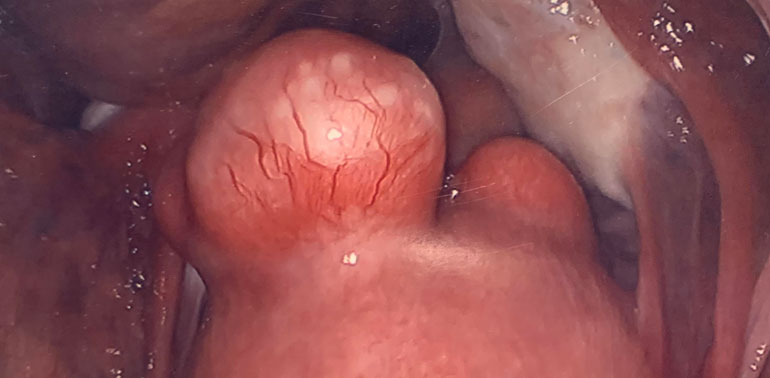
Uterine Fibroid
A benign growth developing from the muscle layer of the uterus (leiomyoma/fibroid) — widespread in women between 30-50 years of age.
A fibroid is a benign (that is, non-cancerous) growth that develops from the muscle layer of the uterus. In medical terms it is also known as "leiomyoma" or "fibroid". It is widespread in women between 30-50 years of age and is in many cases detected during an incidental examination. Fibroids are divided into several types according to their location: submucosal (grows toward the uterine cavity, can cause bleeding and infertility), intramural (located within the uterine wall, can cause heaviness in the abdomen and menstrual disorders), subserosal (grows toward the outer surface of the uterus, can create pressure on neighboring organs) and pedunculated fibroids (attached by a thin stalk, can twist and cause pain and the need for urgent surgery). Their formation is influenced by genetic predisposition, the effect of estrogen and progesterone, late childbirth or not having given birth at all, obesity and hormonal imbalances, as well as nutrition and stress factors.
Symptoms
- Long and heavy menstrual bleeding
- Bleeding between menstruations
- A feeling of heaviness or pressure in the lower abdomen
- Frequent urination or constipation
- Infertility or miscarriages
- Enlargement in the abdominal area
When to see a doctor
Fibroids do not always require treatment — for small, asymptomatic fibroids in women with no pregnancy plans, keeping them under observation may be sufficient. However, if there is heavy bleeding, anemia (low blood count), infertility or recurrent miscarriages, severe pain and a feeling of pressure, or rapid growth of the fibroid, consultation with a doctor and treatment are definitely necessary.
Diagnostics
The diagnosis is made by a gynecological examination and ultrasound; the location, size and number of fibroids are determined. When necessary, especially for submucosal fibroids, hysteroscopy may be used to assess the uterine cavity, and MRI for more precise imaging.
Treatment
Treatment is chosen according to the size, location and symptoms of the fibroid. For small and asymptomatic fibroids, waiting and observation may be sufficient. By means of hormonal drugs, the size of the fibroid can be reduced and the symptoms alleviated. In women who want to have children, hysteroscopic or laparoscopic myomectomy (removal of the fibroid while preserving the uterus) is suitable. In cases of large and multiple fibroids, recurrent bleeding and cases that do not respond to treatment, removal of the uterus (hysterectomy) is applied. Uterine artery embolization is a non-surgical method that shrinks the growth by blocking the vessels feeding the fibroid. For prevention, regular gynecological examinations, maintaining hormonal balance, a healthy lifestyle and timely investigation of menstrual irregularities are recommended.
Frequently asked questions
Is a fibroid cancer?
No, a fibroid is a benign, that is non-cancerous, growth. Malignant transformation is very rare. Nevertheless, treatment according to symptoms and regular follow-up are important.
Can you get pregnant with a fibroid?
Many women get pregnant with a fibroid without problems. However, submucosal fibroids in particular can interfere with pregnancy; in that case a uterus-preserving myomectomy may be recommended. The decision is made individually by the doctor.
