
Conization and Trachelectomy in cervical cancer

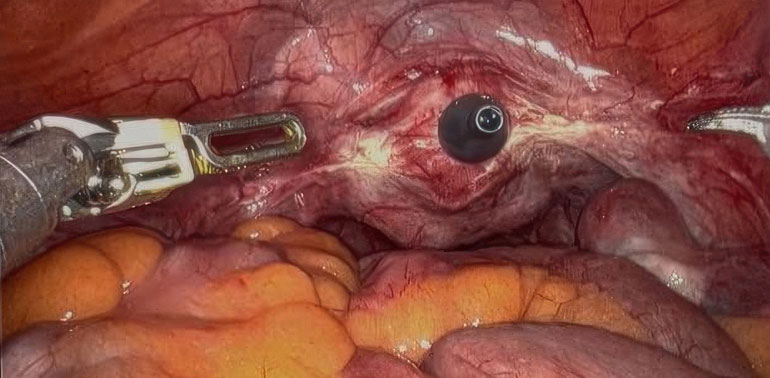
Conization and Trachelectomy in cervical cancer
Conization and trachelectomy in cervical cancer — methods that eliminate the disease at an early stage while preserving reproductive health.
Cervical cancer is one of the cancer types occurring in women that can be treated with early diagnosis. When detected at an early stage, through certain surgical methods the disease can be eliminated and reproductive health can be preserved. The methods most commonly used for this purpose are conization and trachelectomy. Conization is the surgical removal of the cone-shaped part of the cervix and is mainly applied in precancerous conditions (CIN 2, CIN 3), early-stage invasive cancers and suspicious PAP-test and colposcopy results; this method serves both a diagnostic and a therapeutic purpose. Trachelectomy is an operation in which the cervix and its surrounding tissues are removed while the uterus itself is preserved, and it is recommended especially for women who wish to become mothers but have early-stage cancer.
How it is performed
Both operations are carried out under general anesthesia. During conization, the cone-shaped part of the cervix is removed and the removed tissue is sent for histological examination for a precise diagnosis. Trachelectomy can be performed by the vaginal or abdominal (open or laparoscopic) route; during the operation, after the cervix is removed, the lower part of the uterus is connected to the vagina, and an internal suture or cerclage is placed at this junction to ensure safety in future pregnancies. Conization is considered a short-term procedure and it is possible to be discharged home after a few hours of clinical observation; trachelectomy, however, is a more extensive operation and usually requires 2–4 days of hospital conditions.
Preparation
Before the operation, the stage of the disease is usually clarified with the PAP-test, colposcopy and biopsy results, imaging examinations (MRI when necessary) and blood tests, and a consultation with the anesthesiologist is held. As both operations are carried out under general anesthesia, depending on the case the patient may be advised to stop eating and drinking a few hours before the operation. If preservation of reproductive health is planned, this is discussed with the gynecologic oncologist during the preoperative assessment.
Recovery
After conization, mild bleeding and discharge is normal; it is recommended to abstain from sexual intercourse, swimming pools and tampon use for 4–6 weeks, and full recovery usually takes up to 4 weeks. After trachelectomy, physical activity is restricted and recovery can continue for 4–6 weeks; patients are advised to work with a high-risk pregnancy specialist during childbirth planning. After both operations, regular gynecological and oncological follow-up (PAP-test and colposcopy) is important.
Frequently asked questions
Is pregnancy possible after trachelectomy?
Yes, trachelectomy is precisely the method chosen to preserve reproductive function, because the uterus is preserved. However, such pregnancies are considered high-risk and must be monitored together with a high-risk pregnancy specialist during childbirth planning. The outcome varies depending on the patient's individual situation.
Does conization completely eliminate the cancer?
In precancerous and very early-stage cases, conization can provide complete treatment. However, the final decision depends on the histological result of the removed tissue; if disease remains at the margins or wider spread is detected, additional surgical or other treatment may be required.
These methods are mainly suitable for patients diagnosed with precancerous and early-stage cervical cancer who wish to become mothers but do not want complete removal of the uterus, and who have undergone a comprehensive evaluation by a gynecologic oncologist. Each operation requires an individual approach and must be carried out on the basis of a professional evaluation.
