
Endometrial hyperplasia surgery

Endometrial hyperplasia surgery
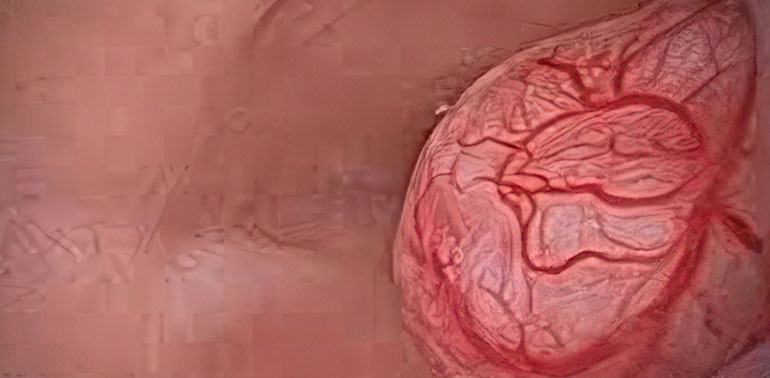
Surgical treatment of endometrial hyperplasia: hysteroscopic curettage or hysterectomy; both diagnostic and therapeutic.
Endometrial hyperplasia is the abnormal thickening of the inner lining of the uterus (the endometrium) under hormonal influence. This condition arises especially in cases where the hormone estrogen is elevated and progesterone is insufficient. Hyperplasia may in some cases be considered the initial stage of precancerous changes. If the hyperplasia is of the atypical form (with cellular changes) or does not respond to medical treatment, surgical intervention is required; this operation serves both a diagnostic and a therapeutic purpose. The indications for surgery are endometrial hyperplasia that does not respond to drug treatment, atypical hyperplasia (a form accompanied by precancerous changes), postmenopausal uterine bleeding, recurrent bleeding against the background of a thickened endometrium, infertility and hormonal imbalance, and detection of hyperplasia in patients with a family history of cancer.
How it is performed
The operation is mainly carried out in the form of hysteroscopic curettage (cleaning of the inside of the uterus) or, in some cases, removal of the uterus (hysterectomy). The choice depends on the type of hyperplasia, the patient's age and her reproductive plans. Hysteroscopic curettage is carried out under short-term anesthesia: the uterine cavity is visualized by means of hysteroscopy, complete and careful scraping (curettage) of the endometrium is performed, and the obtained tissues are sent for histological analysis. Hysterectomy is applied for atypical hyperplasia or recurrent cases; it can be performed by open, laparoscopic or vaginal approach, the uterus and sometimes additionally the ovaries and tubes are removed, and it is usually applied only in women in the menopausal period or without plans for childbirth.
Preparation
Before the operation, the thickness of the endometrium is usually assessed by ultrasound, blood tests are carried out and a consultation with the anesthesiologist is held. If a hysterectomy is planned, more extensive preoperative preparation (imaging, bowel preparation, etc.) may be required. Depending on the case, the patient may be advised to stop eating and drinking a few hours before the operation and to temporarily pause certain medications.
Recovery
After mild procedures (hysteroscopic curettage), a return to normal life is usually possible within 1–2 days. After major operations (hysterectomy), there may be a 5–7 day hospital stay and a 3–4 week recovery period. Mild abdominal pain and brown discharge may be observed for 3–5 days. The histological result is ready within 7–10 days, and the need for additional treatment is planned based on this result. Routine gynecological examinations and ultrasound monitoring are essential.
Frequently asked questions
Does endometrial hyperplasia always require surgery?
No. Non-atypical hyperplasia can in many cases respond to hormonal (drug) treatment. Surgical intervention is mainly required in the atypical form, in cases that do not respond to treatment, or in recurrent cases. The decision is made based on the type of hyperplasia, the patient's age and her reproductive plans.
Can hyperplasia recur after hysteroscopic curettage?
Yes, hyperplasia can recur, especially if hormonal imbalance persists. For this reason, regular gynecological follow-up, ultrasound monitoring and, when necessary, hormonal treatment are recommended after the operation.
The atypical form of endometrial hyperplasia, especially in the postmenopausal period and in chronic hormonal disorders, carries a serious risk for endometrial cancer. Research shows that 25–40% of atypical hyperplasia can subsequently transform into endometrial adenocarcinoma. For this reason, hyperplasia must be detected at an early stage and treated effectively.
