
Endometrial polyp surgery

Endometrial polyp surgery
Removal of endometrial polyps by hysteroscopy — minimally invasive, usually a day-case procedure.
Endometrial polyps are benign mucosal growths that develop on the inner lining of the uterine cavity (the endometrium). They are most often small and found without symptoms, but in some cases they can cause infertility, irregular bleeding or precancerous changes. If a polyp grows in size, complaints increase or it carries an oncological risk, its removal is mandatory. The surgery is performed with a minimally invasive method called hysteroscopy and is usually considered a day-case procedure. The indications for surgery include an endometrial polyp detected inside the uterus, increased or irregular menstrual bleeding, intermenstrual bleeding (especially in the postmenopausal period), infertility or recurrent miscarriages, rapid growth in the size of the polyp, a suspicious histological result or precancerous cell changes, and polyps developing against the background of hormonal therapy.
How it is performed
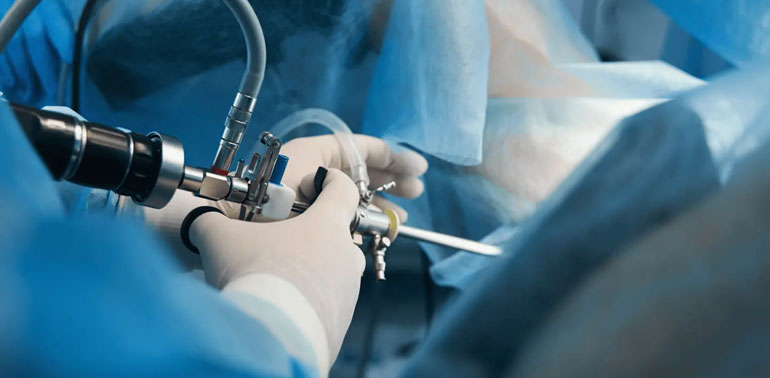
The operation is carried out using the hysteroscopy method and is performed under short-term general anesthesia. In the first stage, special instruments are entered through the cervix to visualize the uterine cavity, the polyp is visually detected and its precise boundaries are determined. The polyp is then completely removed with an electrical loop or microscissors; when necessary, additional tissue samples are taken by partial curettage of the endometrium. The removed material is sent for histological examination. The operation takes approximately 15–30 minutes and it is usually possible to be discharged home the same day.
Preparation
Before the operation, the location and size of the polyp are usually clarified by ultrasound or a hysteroscopic examination, blood tests are carried out and a consultation with the anesthesiologist is held. As the procedure is carried out under short-term anesthesia, depending on the case the patient may be advised to stop eating and drinking a few hours before the operation. The procedure can usually be scheduled for the days after menstruation ends.
Recovery
The patient is usually discharged home a few hours after the operation. Mild lower abdominal pain and a small amount of bloody discharge may be observed for 1–3 days. 24–48 hours of rest, then a return to normal activity, is recommended. The histological result is usually ready within 5–7 days, and an additional treatment plan is drawn up based on it. The menstrual cycle is restored within 4–6 weeks after the operation. If the operation was performed for infertility, the chance of becoming pregnant may increase in the following period.
Frequently asked questions
Is endometrial polyp surgery painful?
Because the operation is usually carried out under short-term general anesthesia, no pain is felt during the procedure. After the operation, mild lower abdominal pain and a small amount of bloody discharge may be observed for a few days, which is usually normal.
Can a polyp form again after it has been removed?
Yes, in some cases, especially if hormonal imbalance persists, polyps may form again. For this reason, regular gynecological follow-up and, when necessary, hormonal assessment are recommended after the operation.
Although the majority of endometrial polyps are benign, especially in the postmenopausal period, against the background of hormonal treatment or in patients with a family history of cancer risk, precancerous changes (atypical hyperplasia) or early-stage endometrial cancer may be detected within a polyp. For this reason, histological analysis of every removed polyp is mandatory; in cases detected early, intervention can be life-saving.
