
Removal of lymph nodes (Lymphadenectomy)

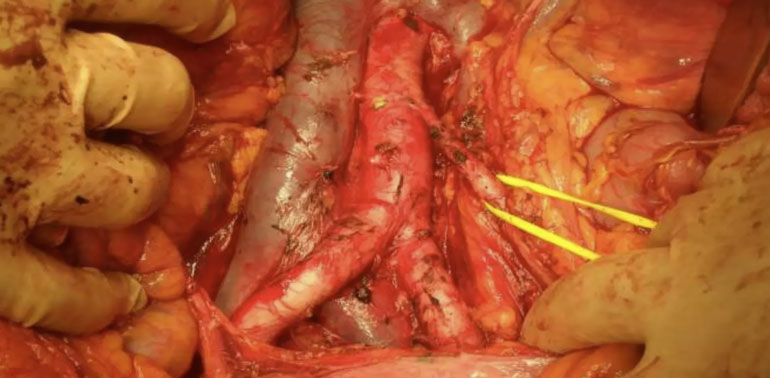
Removal of lymph nodes (Lymphadenectomy)
Lymphadenectomy — surgical removal of lymph nodes; to determine and prevent the spread of cancer.
Lymph nodes are structures with a filtering function that play a protective role in the body against infections and cancer cells. Lymphadenectomy is the surgical removal of the lymph nodes in a particular area (usually the groin, pelvis or abdominal cavity). This procedure is carried out to determine the degree of spread (metastasis) of the cancer, to remove spread cancer cells from the organ and to determine the additional treatment plan (radiation or chemotherapy). The operation is suitable for patients with ovarian, uterine, cervical or vulvar cancer, those at high risk of the cancer spreading to the lymph nodes, and those with enlargement of the lymph nodes or suspicion of metastasis in previous examinations.
How it is performed
Lymphadenectomy is carried out under general anesthesia and can be performed using different methods depending on the area where the lymph nodes to be removed are located: removal of inguinal (groin), pelvic, or para-aortic (in the abdominal cavity, around the major vessels) lymph nodes. During the operation, the removed lymph nodes are sent to the laboratory for histological (pathological) examination. In some cases, with a "sentinel lymph node biopsy", initially only a few key lymph nodes are removed; if no cancer is detected in these nodes, an extensive lymphadenectomy may not be necessary.
Preparation
Before the operation, blood tests, imaging studies (ultrasound, CT or MRI) and a preliminary anesthesia assessment are usually performed. The patient should inform the doctor about any medications used, especially blood thinners. Following the fasting rules on the night before surgery is required.
Recovery
The hospital stay is usually 2–5 days. Edema, firmness or discharge may be observed in the surgical area; these are monitored under a doctor's supervision. It is recommended to avoid heavy physical loads and not to stand for long periods. In some cases, swelling may occur in the legs as a result of impaired lymph flow (lymphedema); in this case physiotherapy, lymphatic massage and the use of special stockings are recommended.
Frequently asked questions
What is the difference between a sentinel lymph node biopsy and a lymphadenectomy?
In a sentinel biopsy, only a few key nodes where the cancer would first spread are removed and checked. If no cancer is present in these nodes, an extensive lymphadenectomy may not be necessary. This reduces the extent of the operation and the risk of complications such as lymphedema.
Can lymphedema be prevented?
Although the risk of lymphedema cannot be completely eliminated, it can be reduced with early physiotherapy, lymphatic massage, the use of compression stockings and by avoiding excessive strain on the leg. If swelling develops, seeing a doctor in a timely manner is important.
Lymphadenectomy is among the important operations for correctly determining the stage of gynecologic oncology diseases and building an effective treatment plan. The approach is planned according to each patient's individual condition.
