
Removal of the ovaries and tubes (Oophorectomy and Salpingectomy)

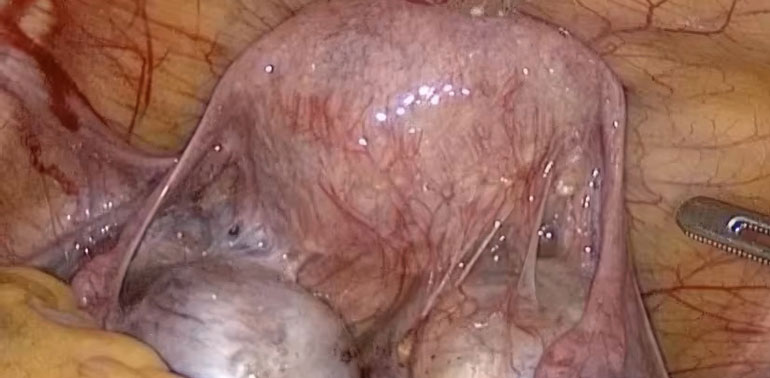
Removal of the ovaries and tubes (Oophorectomy and Salpingectomy)
Removal of the ovaries (oophorectomy) and the fallopian tubes (salpingectomy) for prophylactic or therapeutic purposes.
Removal of the ovaries and the fallopian tubes — in medical terms, oophorectomy (removal of the ovaries) and salpingectomy (removal of the fallopian tubes) — are operations relating to the female reproductive system, performed sometimes for prophylactic and sometimes for therapeutic purposes. These operations can be carried out not only in oncological diseases, but also in inflammatory, cystic and genetically high-risk cases. The operation can be performed unilaterally (removal of one ovary or tube) or bilaterally (removal of both ovaries and/or both tubes). The main indications for the operation are ovarian tumors (cancerous and precancerous conditions), cancer or tumor-like growths of the fallopian tubes, BRCA1/BRCA2 gene mutation (for prophylactic purposes), acute and recurrent ovarian cysts and torsions, purulent inflammation in the fallopian tubes, ovarian abscess or endometriosis, and invasive processes spreading from the ovary into the uterine cavity.
How it is performed
The operation is usually performed by the laparoscopic (closed) or open method. The choice is made based on the patient's condition, the size of the growth and the extent of spread. The main stages begin with access to the abdominal cavity and visual assessment of the organs; then the ovary or tube is separated from its connections with the neighboring organs, the blood vessels are ligated to prevent bleeding, and the pathological tissue is completely removed. When necessary, additional tissue and lymph nodes are removed, the abdominal cavity is cleansed and the operation is completed. The operation is carried out with high precision on the basis of oncological principles, with the aim of preventing the spread of tumor tissue.
Preparation
Before the operation, blood tests, imaging examinations (ultrasound and, when necessary, CT or MRI) and a consultation with the anesthesiologist are usually carried out. In cases performed for prophylactic purposes, extensive examinations and genetic analyses (for example, BRCA testing) are completed in advance. Depending on the case, the patient may be advised to stop eating and drinking a few hours before the operation and to temporarily pause certain medications. Detailed consultation with the doctor is essential before deciding on this operation.
Recovery
The hospital stay is usually 1-3 days. Pain after the operation is kept under control during the first days. Nutrition is started after 6-12 hours with light liquid foods. With the laparoscopic method, activity is possible after 1-2 days. When the ovaries are removed, the patient may experience signs of early menopause (hot flashes, mood changes, sleep disturbances, etc.); when necessary, hormone replacement therapy may be offered. In oncological patients, additional treatments (chemotherapy, radiotherapy) may be prescribed based on the pathological result.
Frequently asked questions
Does menopause begin after both ovaries are removed?
Yes, when both ovaries are removed in a woman of reproductive age, early (surgical) menopause may occur because hormone production stops. Symptoms such as hot flashes may appear, and depending on the case, hormone replacement therapy may be discussed.
Is pregnancy possible if only one ovary is removed?
Usually, if one ovary and tube are preserved, the other ovary continues to function and pregnancy may be possible. The exact outlook varies depending on the patient's age, overall reproductive health and the surgeon's assessment.
Removal of the ovaries and tubes is performed not only for treatment purposes, but in some cases also as a preventive step against the risk of cancer. Before deciding on this operation, extensive examinations, genetic analyses and detailed consultation with the doctor are essential.
