
Removal of the uterus (total, radical)

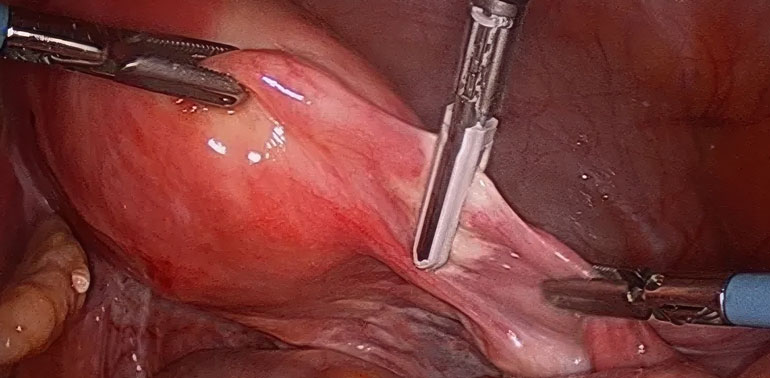
Removal of the uterus (total, radical)
Hysterectomy — total or radical removal of the uterus; performed in gynecologic oncology for cancer and precancerous conditions.
Removal of the uterus is a surgical intervention referred to in medical terms as a "hysterectomy". This operation involves the partial or complete removal of the uterus. In gynecologic oncology, this operation is performed mainly for cancer and precancerous conditions. Hysterectomy is carried out in two main forms — total and radical: a total hysterectomy is the complete removal of the uterus and the cervix, while a radical hysterectomy is the removal of the uterus, the cervix, the surrounding tissues of the uterus (parametrium), the upper part of the vagina and the pelvic lymph nodes. The main indications for the operation are cervical cancer (especially invasive forms), uterine cancer, widely spread or recurrent precancerous conditions (CIN III, endometrial hyperplasia, etc.), invasion of ovarian cancer into the uterus, gynecologic tumors that do not respond to radiotherapy and other treatments, and cases accompanied by bleeding and pain that affect quality of life — only in accordance with the treatment protocol.
How it is performed
The operation can be performed by the open (abdominal) method, the laparoscopic (closed) method or by robotic surgery. During a radical hysterectomy the operation generally lasts 3-5 hours. It begins with access to the abdominal cavity (by the open or laparoscopic route); the internal organs are then assessed and the extent of spread of the pathology is verified. The uterus, the cervix, the surrounding tissues and the lymph nodes are carefully removed, the blood vessels and lymphatic flow are safely cut and ligated, bleeding is controlled and sutures are placed. During the operation, preservation of the organs, avoidance of damage to nerve structures and full adherence to oncological principles are essential conditions.
Preparation
Before the operation, a broad work-up is usually carried out: blood tests, imaging examinations (ultrasound, CT or MRI) and a consultation with the anesthesiologist. Depending on the case, the patient may be advised to stop eating and drinking a few hours before surgery and to temporarily pause certain medications (for example, blood thinners). Bowel preparation and, when necessary, prophylactic antibiotics may be given in line with the surgical plan. When needed, genetic and oncological assessment is also completed in advance.
Recovery
The hospital stay is usually 4-7 days after open surgery and 2-3 days after the laparoscopic method. Pain and discomfort are kept under control during the first days. Nutrition is started a few hours after the operation with light liquid foods. Light physical movements are possible after 1-2 days, and full activity after 4-6 weeks. If the ovaries have also been removed, symptoms of menopause may appear, in which case hormone replacement therapy is discussed. Emotional changes may be observed in women after this operation; both medical supervision and psychological support are beneficial. Regular oncological and gynecologic examinations are important after the operation.
Frequently asked questions
How long does full recovery after a hysterectomy take?
This depends on the surgical method. Recovery is usually faster after the laparoscopic method, while after open surgery a return to full activity may usually take 4-6 weeks. The exact time varies depending on the patient's general condition and the surgeon's assessment.
Does menopause begin after a hysterectomy?
If only the uterus is removed and the ovaries are preserved, natural hormone production continues. However, if the ovaries are also removed, symptoms of menopause may appear; in such cases, depending on the case, hormone replacement therapy may be discussed.
This operation is a life-saving surgical intervention, but one that requires a serious and complex decision. The decision must be made on the basis of the patient's individual situation, diagnosis and general state of health.
