
Surgical treatment of ovarian and uterine tumors

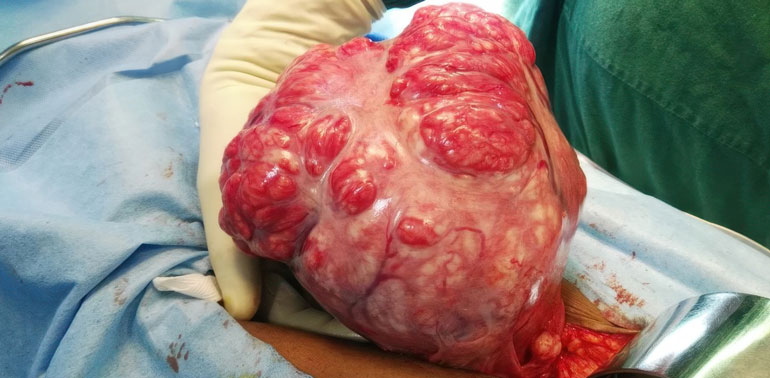
Surgical treatment of ovarian and uterine tumors
Surgical treatment of ovarian and uterine tumors: removal of the tumor, determination of the stage and basis for additional treatment.
One of the most serious oncological problems of the female reproductive system is tumors of the ovary and the uterus (of endometrial and myometrial origin). Early detection of these growths and timely surgical treatment significantly increase the patient's survival time and quality of life. The main aim of the operation is the complete removal of the tumor, precise determination of the stage, assessment of the probability of spread and, when needed, creating a basis for additional treatment (chemotherapy, etc.). The main indications for the operation are tumor-like growths detected in the ovary (solid, cystic, complex cysts), cancer of the inner lining of the uterus (endometrium), tumors of the muscular layer of the uterus (myometrium) of origin (leiomyosarcoma, etc.), rapidly growing fibroids in the uterus accompanied by bleeding and pain (when there is oncological suspicion), suspicion of lymph node involvement together with ovarian cancer, and invasion of the tumor into neighboring organs (bowel, bladder, etc.).
How it is performed
The type of operation differs depending on the localization, size and extent of spread of the tumor. In the case of ovarian tumors, the affected ovary (and, when needed, both ovaries), the uterus, the fallopian tubes, the surrounding tissues and the lymph nodes are removed, a biopsy of the fatty apron (omentum) and peritoneal washing are performed, and if invasion into neighboring organs is encountered, resection of the bowel or bladder is carried out. In the case of uterine tumors, a total hysterectomy (removal of the uterus and the cervix), removal of the ovaries and the tubes, dissection of the lymph nodes and taking tissue samples from various regions of the abdomen (for staging purposes) are performed. The operation can be performed by the open (abdominal) or laparoscopic method; in some cases robotic surgery is also applied.
Preparation
Before the operation, a broad work-up is carried out: blood tests, tumor markers, imaging examinations (ultrasound, CT or MRI) and a consultation with the anesthesiologist. This makes it possible to assess the localization, size and extent of spread of the tumor. Depending on the case, the patient may be advised to stop eating and drinking a few hours before the operation, to undergo bowel preparation and to temporarily pause certain medications.
Recovery
The hospital stay is 5-7 days in open surgery and 2-3 days with the laparoscopic method. Nutrition is started with liquid foods 6-12 hours after the operation, and light physical activity after 1-2 days. After the operation, the removed tissues are sent for histological analysis; these results determine the stage of the disease and show whether additional treatment is needed. Depending on the stage, chemotherapy, radiotherapy or hormonal therapy may be prescribed. After the operation, regular monitoring and control examinations by the gynecologic oncologist are important.
Frequently asked questions
Is additional treatment (chemotherapy) always needed after the operation?
This is determined by the surgeon and the oncology team based on the histological result and the stage of the disease. In some early-stage cases, surgery alone may be sufficient, while in other cases chemotherapy, radiotherapy or hormonal therapy may be added.
Does tumor surgery affect reproductive function?
This depends on the extent of the operation. If the uterus and both ovaries are removed, natural pregnancy is not possible. In some early and limited cases, depending on the surgeon's assessment, an approach that preserves the reproductive organs may be discussed.
In the treatment of ovarian and uterine tumors, the most important stage is correct staging and radical surgery. This must be carried out only by specialized gynecologic oncology teams. Correct surgery is a correct life strategy.
